
Previous Story
How to Use Rugs for Carpet Protection
Posted On 24 Dec 2025
Comment: 0
Whether you’ve invested in quality Axminster in your living room or laid fresh carpeting throughout your Edwardian terrace, protecting your flooring is essential. Our unpredictable weather, busy family life, and love of hosting put serious demands on our carpets.
Fortunately, a well-chosen rug can act as an elegant shield against muddy footprints from the school run, wine spills at dinner parties, and everyday living.
This guide will show you how to select and position rugs strategically, preserving your carpet’s appearance while enhancing your home’s character.
Find Out Which Carpets Need Protection
Not all areas of your home face the same challenges. Start by walking through your home and identifying the true trouble spots.
High-traffic zones deserve your attention first. Hallways, especially those near front doors, bear the brunt of wet boots and shopping bags.
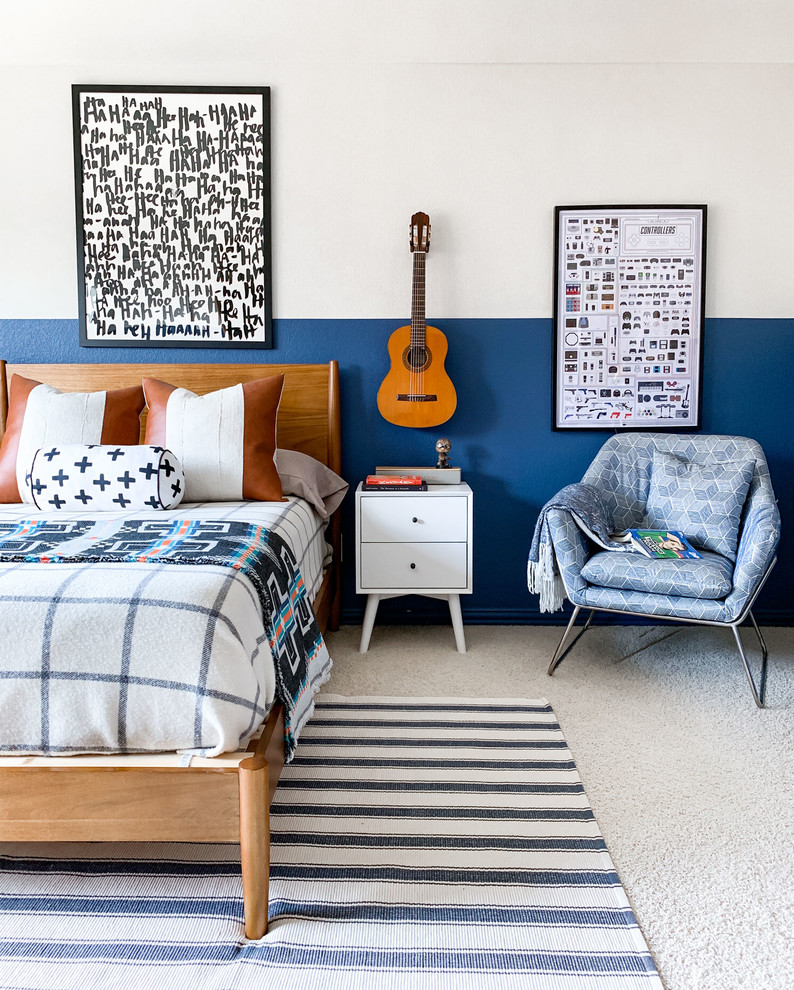
Living room pathways where family members naturally walk develop wear patterns over time. Areas around dining tables face regular risks from dropped food and spilt drinks.
Also consider your carpet’s material. Wool carpets, while beautiful and traditional, can be more delicate than the synthetic alternatives.
If you’ve got nylon or polypropylene carpeting, you’re working with something more forgiving. Understanding your carpet’s composition helps you choose the right level of protection.
Choose Durable Rugs
When selecting rugs for carpet protection, durability matters as much as design. Look for materials that can cope with the realities of UK living—wet weather, muddy paw prints from the family spaniel, and the chaos of daily life.
Synthetic materials like nylon and polypropylene offer excellent stain resistance and durability. They’re particularly brilliant for families with children or pets, as they withstand heavy use without showing their age.
John Lewis and Dunelm both stock excellent ranges that balance practicality with style. These materials perform exceptionally well in busy living rooms and dining areas where spills are inevitable.

For entrance halls and conservatories—spaces that deal with moisture and dirt—consider indoor-outdoor rugs. Brands like Cath Kidston and The Rug Seller offer stylish options designed specifically for these demanding conditions.
Always check the rug’s backing. Some rubber backings can react with carpet fibres or underlay, causing discolouration or damage. Look for rugs with breathable, non-slip backings, or purchase separate rug pads from retailers like Carpet Underlay Shop.
Get the Size and Placement Right
Proper measurement makes the difference between a rug that protects effectively and one that simply decorates. Grab a tape measure and assess your high-traffic zones before you shop.
For hallways, measure the full width and extend coverage several feet beyond where wet shoes typically land.

In living rooms, your rug should extend beyond furniture groupings—at least the front legs of sofas and chairs should rest on it. This prevents the exposed carpet edges from becoming worn pathways.
Beneath dining tables, allow for at least 60cm beyond the table edge on all sides. This accommodates pulled-out chairs and catches dropped food before it reaches the carpet. IKEA’s STOENSE and Marks & Spencer’s collection offer good-sized options for dining areas.
In busy entrance halls, consider overlapping smaller rugs or using runner-style pieces that provide continuous coverage. This technique works particularly well in Victorian and Edwardian homes with long, narrow hallways.
Protect Your Busiest Rooms Strategically
Your home’s busiest spaces need thoughtful protection strategies that balance function with aesthetics.
For hallways and entrance areas, choose low-pile rugs that trap dirt effectively. Flat-weave or tightly woven designs work beautifully here. They’re easy to shake out after rainy days, and the vacuuming is pretty straightforward.
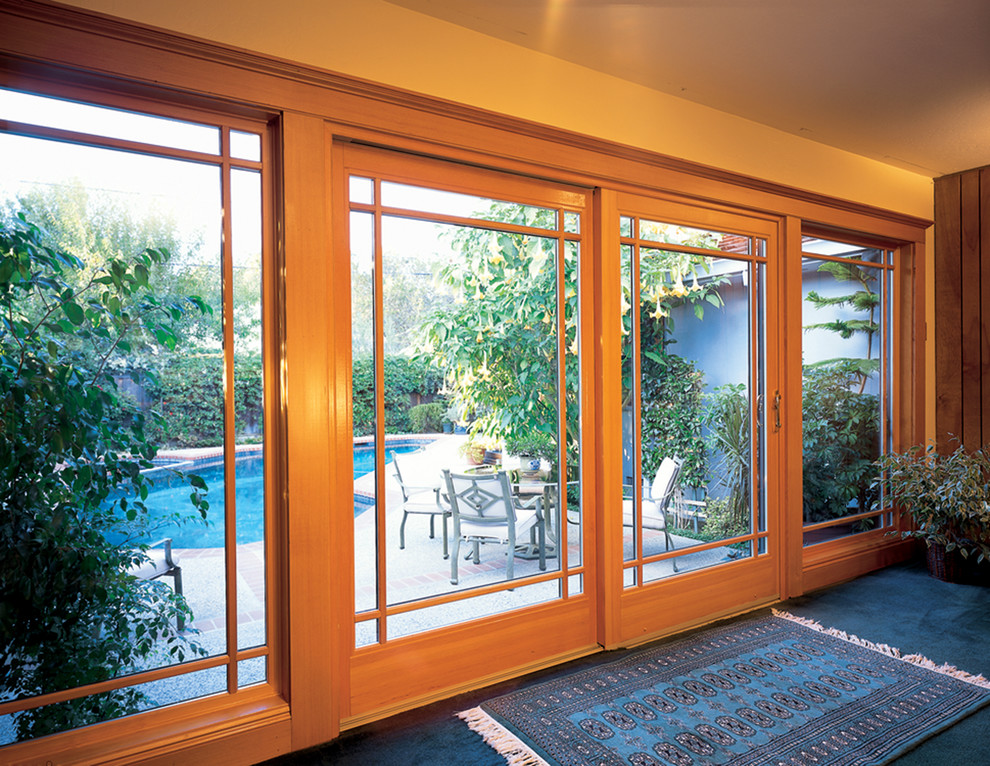
In living rooms, try layering rugs for both protection and visual interest. Start with a substantial, durable base rug in a neutral tone, then place a smaller decorative piece on top.
This approach is popular in British interior design, and you’ll often see it featured in magazines like Living Etc and Ideal Home. The base layer takes on the daily wear, while the top piece adds personality.
Rotate your rugs quarterly to ensure even wear. This is particularly important in south-facing rooms where sunlight can fade colours unevenly. Simply turning a rug 180 degrees or swapping positions between rooms helps everything age gracefully.
Add Style While You Protect
Consider your existing décor when choosing patterns and colours. In a neutral sitting room, a vibrant Persian-style rug from John Lewis or a bold geometric design from Habitat can become a stunning focal point.
Conversely, if you already have patterned wallpaper or busy curtains, opt for rugs in solid, complementary colours.
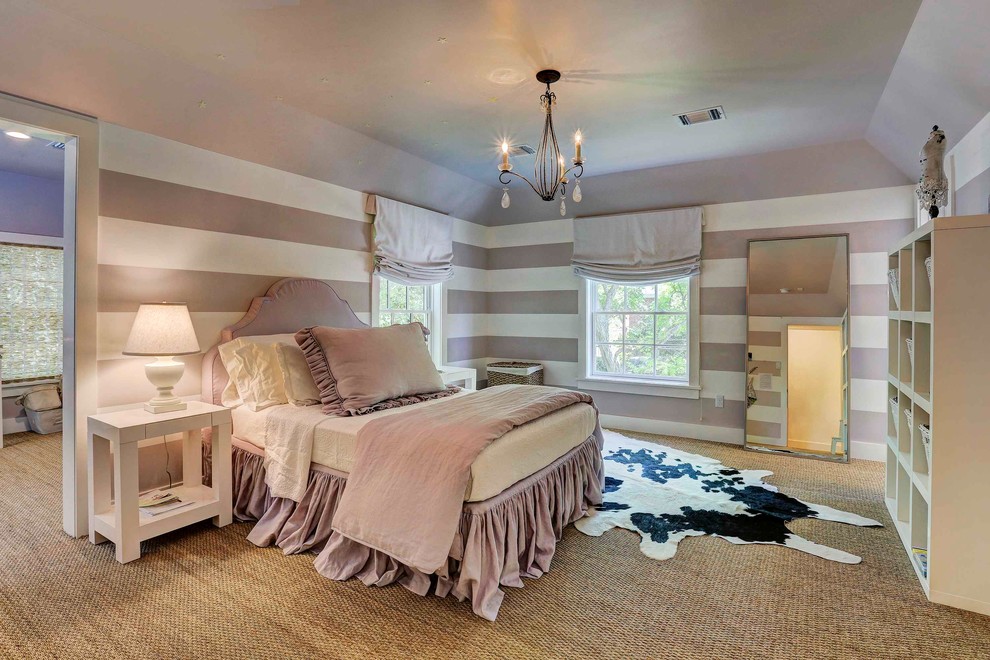
Texture adds interest without overwhelming. A chunky wool rug from The White Company brings warmth to minimalist spaces. Meanwhile, a sleek flat-weave piece suits Georgian or Victorian properties with period features.
Layering creates sophisticated depth. Try positioning a smaller vintage kilim atop a larger seagrass rug—this technique is increasingly popular. The natural base protects your carpet while the decorative top layer expresses your personal style.
Don’t forget seasonal changes. Many households swap lighter cotton rugs in summer for warmer wool options in winter. This rotation not only matches seasonal décor but also extends each rug’s lifespan by giving it periodic rest.
Maintain Your Rugs
Regular rug maintenance directly affects your carpet’s condition. Dirt and grit that settle into rug fibres eventually work their way through to the carpet beneath, causing damage over time.
Vacuum your rugs thoroughly at least once weekly, and more often in high-traffic areas. For homes with pets, consider twice-weekly vacuuming to manage hair and outdoor debris.
Address spills immediately. Blot liquid spills with a clean kitchen roll, working from the outside in to prevent spreading.
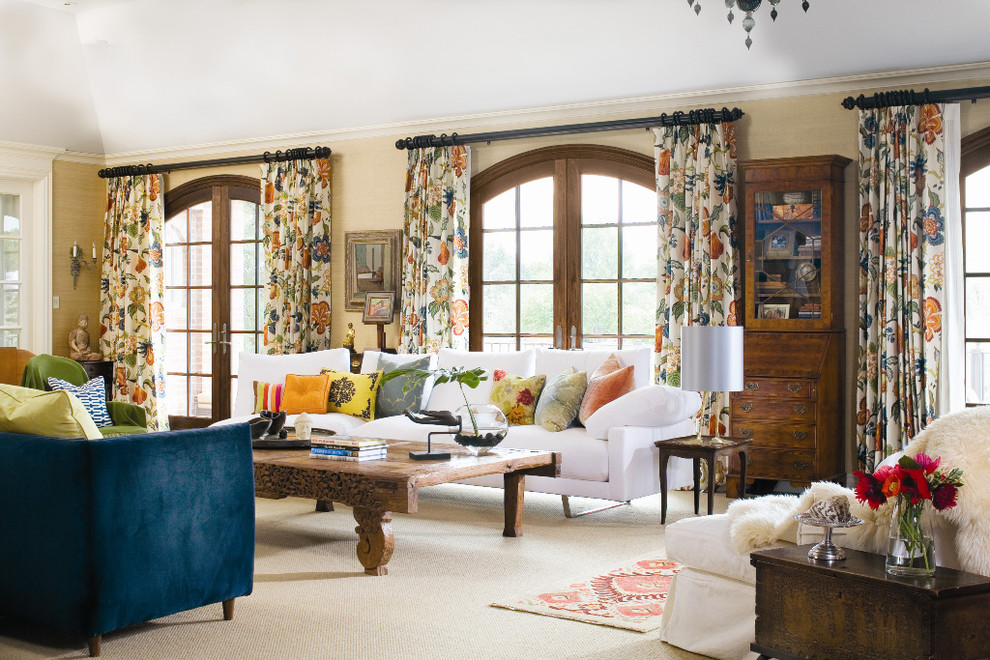
Photo by Andrea Schumacher Interiors
For red wine or curry stains—common casualties of our entertaining—keep a specialist stain remover from Lakeland or Robert Dyas on hand. Quick action prevents stains from setting into both rug and carpet.
Every three to four months, take smaller rugs outside for a proper shake or beating—a garden washing line works perfectly. This old-fashioned technique, still popular in some areas, removes embedded dirt that vacuuming misses.
Invest in quality rug pads from specialists like Rug Pad UK. These prevent slipping, reduce wear on both rug and carpet, and add cushioning underfoot. They also improve airflow, preventing moisture buildup.
For deep cleaning, consider professional services. Local specialists offer on-site carpet cleaning that removes deep-seated dirt without damaging fibres. Annual professional cleaning can actually extend the life of both your rugs and the carpets they protect.
Conclusion
Protecting your carpet with well-chosen rugs is one of the smartest investments you can make in your home. The key lies in balancing practicality with style—something British homes have mastered for generations.
Whether you’re shielding your hallway from wet winter weather, protecting your dining room from family meals, or simply reducing wear in well-used living spaces, the right rugs make all the difference.