

Previous Story
How South Korea Is Redefining High-Tech Living And Modular Housing
Posted On 08 Sep 2026
Comment: 0
Tag: energy-efficient housing, Eurasian construction market, high-tech, high-tech home, home, housing, Korean housing technology, Korean modular housing, modular, modular construction, modular home, modular housing, modular housing South Korea, prefabricated construction, residential technology, smart building systems, Smart Home Technology, smart homes South Korea, South Korea high-tech living
South Korea is changing how residential developments are planned and delivered, from AI-enabled apartment complexes to factory-built homes. Digital building technologies, connected home systems and modular construction methods are shortening build programmes while supporting higher standards of quality, energy performance and resident convenience.
Those same capabilities are reshaping how developers evaluate products, suppliers and long-term operating costs. As demand rises for smarter and more adaptable housing, South Korea’s high-tech living trends are becoming an important reference point for developers, manufacturers and investors assessing the next generation of urban living.
Modular Housing Moves Towards Mainstream Adoption
Modular housing in South Korea is shifting from specialist application towards wider commercial use. Factory production allows structural components, interior finishes and service systems to be assembled under controlled conditions.
That approach limits exposure to weather delays and supports repeatable quality across larger housing programmes. It also gives developers a clearer view of labour, material and scheduling requirements before work begins on site. Shorter site programmes may also reduce disruption in densely populated urban districts.
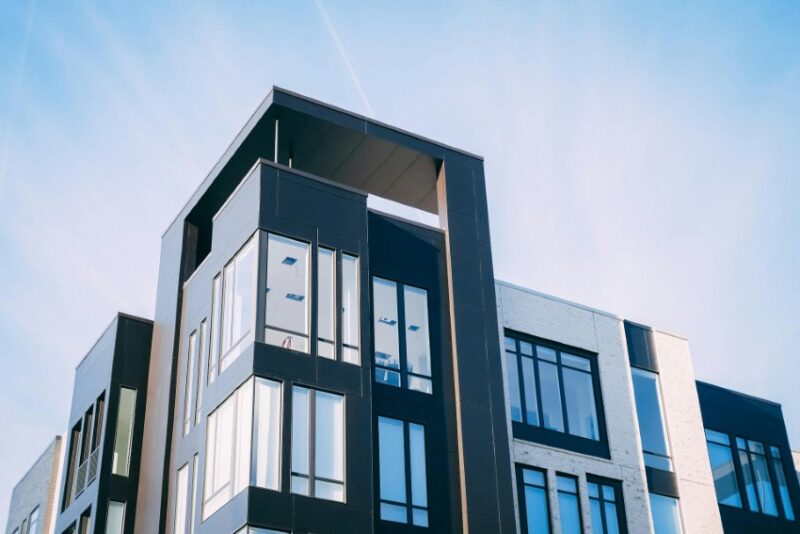
The market signals are becoming harder to overlook. South Korea’s prefabricated construction sector was valued at KRW 12.41 trillion in 2024 and was projected to reach KRW 13 trillion in 2025. That annual rise reflects growing interest in off-site production across residential, commercial and public projects.
The Connected Systems Behind Smart Korean Homes
South Korea’s residential technology offering reaches well beyond connected appliances. New apartment developments increasingly bring together smart meters, building management platforms, access controls, air-quality sensors and Home Energy Management Systems. Internet of Things (IoT) networks let these systems exchange data and respond to occupancy, tariffs, and environmental conditions.
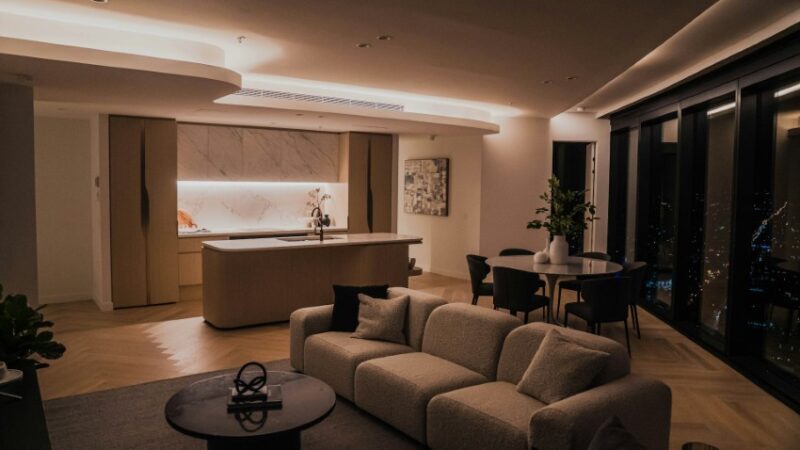
The outcome is a home that can manage energy use, security and comfort through a single connected operating layer. These systems also produce performance data that can guide maintenance and future purchasing decisions.
Energy Performance, Sustainability And Regulatory Direction
The sustainability case is tied closely to building performance. According to the International Energy Agency, buildings account for around 30% of global energy demand, with homes representing about 70% of building energy use. South Korea’s smart residential systems can help reduce waste by tracking consumption, adjusting equipment schedules and responding to grid conditions.
Smart controls can also give residents and facilities teams clearer information about actual energy behaviour. Modular production may limit on-site waste through more accurate cutting, ordering and assembly.
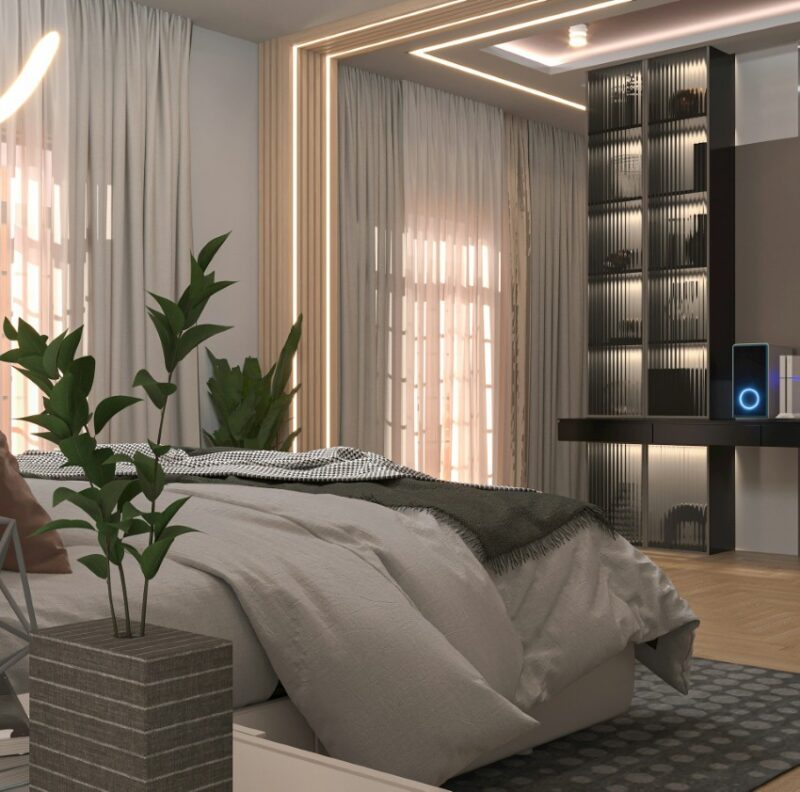
Regulation will shape which international products gain access. South Korea continues to pursue tighter energy performance requirements alongside lower-carbon construction and digital energy management.
What The Korean Model Means For Global Supply Chains
South Korea’s model creates opportunities across global supply chains. Manufacturers of insulation, façades, ventilation equipment, controls, sensors and modular interior systems can study how products are specified for dense urban housing. Distributors can identify systems with export potential across markets facing similar pressure from labour shortages, rising energy costs and compressed construction schedules.
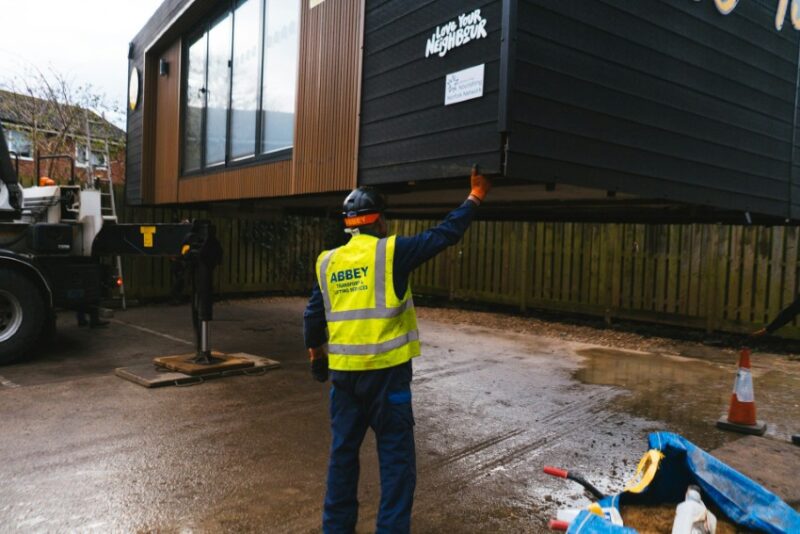
Products designed for factory assembly may also appeal to contractors seeking more predictable installation times and fewer on-site interfaces.
Selective Sourcing Opportunities For Eurasian Buyers
For Eurasian buyers, the strongest opportunity may lie in selective sourcing rather than direct replication. Korean systems must be adapted to local climate, regulation, installation skills and price expectations. Suppliers entering Russia, the CIS and neighbouring markets need local partners who can support certification, logistics and technical service.
Specifiers need access to comparable products, live demonstrations and credible supplier conversations. The Building Innovation & Master Class Zone offers a practical setting to examine these technologies, while the Conference Programme supports deeper discussion of materials, methods and market requirements.
Turning South Korea’s Housing Trends Into Eurasian Market Opportunities
South Korea’s progress shows how modular construction, smart home building technology and energy management are converging into one commercial proposition. MosBuild 2027 will mark the exhibition’s 32nd anniversary and bring together the construction, architecture and interiors sectors across 17 specialist areas.
The event gives international suppliers a gateway into Russia, the CIS and wider Eurasia, supported by year-round networking through MosBuild Connect.
Secure early access to commercial conversations, discover new sourcing options and connect with qualified partners. Submit a MosBuild 2027 exhibit enquiry to discuss participation.